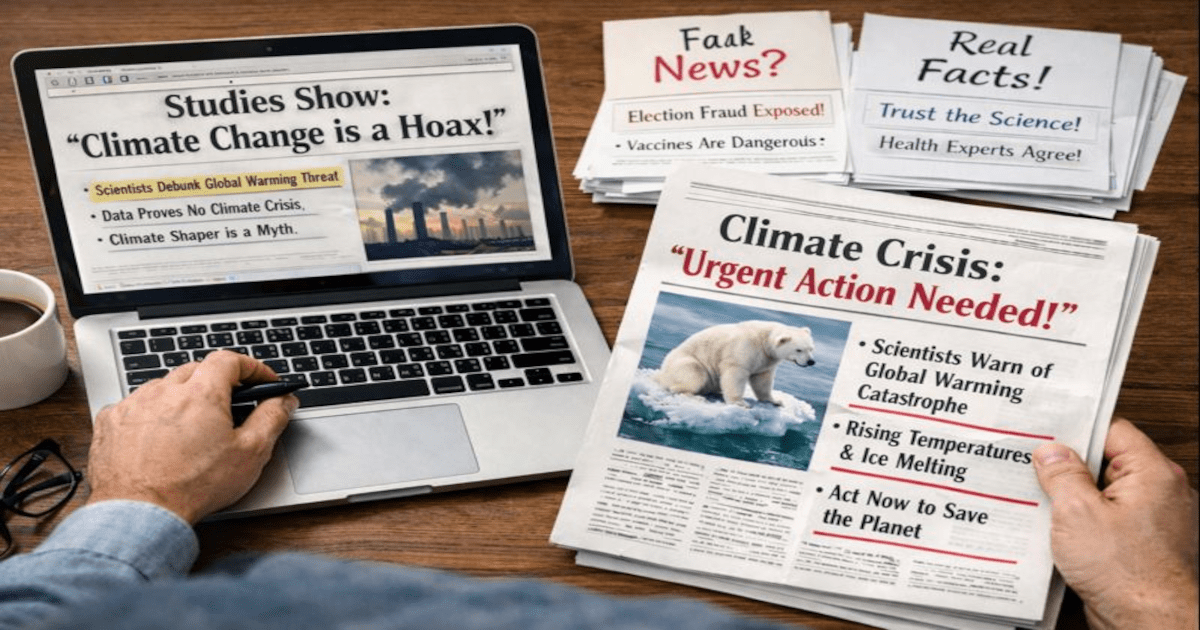
The Confirmation Bias Trap
Vocabulary
Key Words
a tendency to favor or oppose something, often in a way that is unfair or based on personal opinion rather than facts
People with strong political views often biased when reading news articles.
evidence or information that proves something is true
The scientist needed more confirmation before publishing her research findings.
opposite or inconsistent with something else
His actions were contradictory to his stated beliefs about environmental protection.
to make a belief or behavior stronger
Positive feedback from her manager helped reinforce her confidence in the new role.
to reject or refuse to consider something
Don’t dismiss alternative viewpoints without examining the evidence first.
Idioms
to make a decision or judgment too quickly, without knowing all the facts
Don’t jump to conclusions before hearing both sides of the story.
to deliberately ignore something that you know is wrong or bad
People often turn a blind eye to evidence that contradicts their beliefs.
Article
The Confirmation Bias Trap B2
Have you ever noticed that when you hold a strong belief, you tend to find evidence that supports your view while ignoring information that contradicts it? This mental shortcut is called confirmation bias, and it affects everyone—regardless of intelligence, education, or experience.
The term was first introduced by British psychologist Peter Wason in 1960. In his famous study, people were given three numbers and asked to discover the rule behind them. Most people only looked at examples that would confirm their initial idea, rarely trying to disprove their own theory.
Decades of research have reinforced Wason’s findings. Psychologists have shown that confirmation bias operates on multiple levels. People habitually seek out information that supports their beliefs, interpret evidence in favor of their position, and dismiss contradictory information as unreliable.
Consider how this plays out in everyday life. If you believe a particular diet is healthy, you’ll likely notice articles praising it while ignoring studies that challenge its benefits. Social media makes this worse by showing you content similar to what you’ve already engaged with, constantly reinforcing your existing views.
The effects go far beyond personal health choices. In work settings, confirmation bias leads managers to favor employees who share their opinions. It also leads to wrongful convictions when police hold strong opinions and only gather supporting evidence about certain suspects.
Understanding confirmation bias doesn’t remove it—even the researchers who study it are affected. A review of 156 scientific studies found that when researchers knew the expected result, they were three times more likely to report findings that matched their expectations.¹
So, the next time you feel certain about something, try to prove yourself wrong before turning a blind eye and jumping to conclusions.
[1] Holman et al. (2015). Evidence of Experimental Bias in the Life Sciences: Why We Need Blind Data Recording. PLOS Biology.
Grammar
Present Perfect
have/has + past participle
Use for past actions with present relevance or results.
1. Life experiences or observations occurring from an unspecified time from past to present
“Researchers have studied confirmation bias for decades.”
2. Recent actions with present results
“I have changed my opinion after reading this article.”
3. Ongoing situations that were true in the past and are still true now
“Scientists have known about this bias since the 1960s.”
Discussion
Discuss the following questions.
- Can you think of a time when you ignored information because it contradicted what you wanted to believe?
- How do social media platforms like Facebook or Twitter contribute to confirmation bias?
- How might confirmation bias affect important decisions like voting, choosing a career, or buying a house?
- What strategies could you use to actively search for opposing viewpoints on essential issues?
- Do you think confirmation bias is stronger in some areas of life (politics, health, relationships) than others? Why?