Finding Shade on a Hotter Day: B1 English Lesson
This B1 English lesson on heat and shade explains how the body loses heat, who is most exposed on a hot day, and why timing and housing matter as much as temperature. It builds vocabulary for weather, shelter, and forecasts, and practices future time clauses with when, before, and until.

Vocabulary
KEY WORDS
shade (noun)
An area out of direct sunlight.
They moved their lunch table into the shade when the afternoon sun reached the patio.
Synonyms: cover, cool area
shelter (noun)
A structure or place that protects people from weather.
The charity runs a night shelter in the city center.
Synonyms: refuge, cover
forecast (noun)
A statement about what the weather will be.
The forecast warned of heavy rain, so we moved the picnic indoors.
Synonyms: prediction, outlook
midday (noun)
The middle of the day, around twelve o’clock.
Deliveries stop at midday in summer.
Synonyms: noon, middle of the day
humid (adjective)
Containing a lot of moisture in the air.
The bathroom stayed humid long after the shower because the window would not open.
Synonyms: damp, muggy
overnight (adjective)
Happening or lasting through the night.
The parcel arrived overnight, and she found it on the step before breakfast.
Synonyms: night-time, nightly
to warn (verb)
To tell someone about a possible danger in advance.
The teacher warned them that the deadline would not move.
Synonyms: to alert, to caution
IDIOMS
to beat the heat (idiom)
To find a way of staying comfortable in hot weather.
Families beat the heat by visiting the library.
Synonyms: to keep cool, to escape the heat
under the weather (idiom)
Slightly unwell.
He felt under the weather after the long journey and stayed home to rest.
Synonyms: unwell, off-color
READ · LISTEN · NOTICE
Finding Shade on a Hotter Day
Read at your own pace, or play the audio and follow the passage. Listen again without reading for additional practice.
The body responds to heat by moving blood toward the skin and producing sweat. Both responses require effort. The World Health Organization describes the result. If the body cannot lose heat quickly enough, the risk of heat exhaustion and heatstroke rises. The effort required to cool itself also strains the heart and kidneys.
Shade does more than it looks like it does
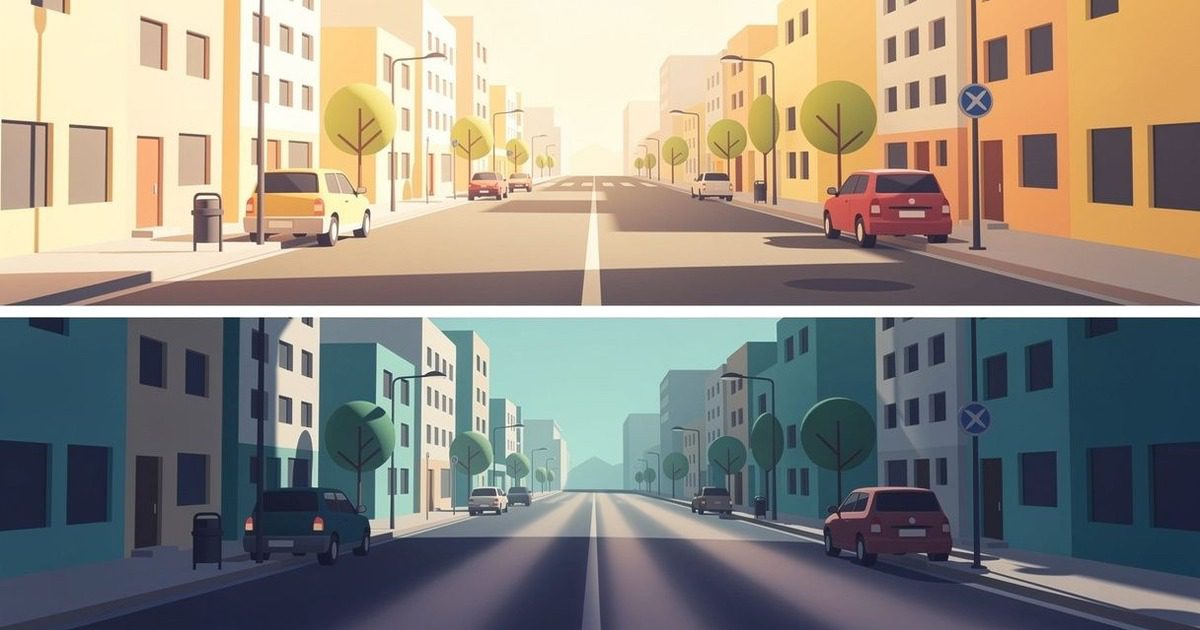
Shade is one of the simplest measures and can be highly effective. The WHO reports that shade can reduce how hot a person feels by more than ten degrees Celsius. A tree, an awning, a bus shelter, or the north side of a building can provide it.
Timing also matters. A forecast can help move strenuous activity away from midday. That reduces the demand on the body before the hottest hours arrive.
The exposure is not shared evenly
The WHO reports that heat-related deaths among those over sixty-five increased by about eighty-five percent between the 2000–2004 and 2017–2021 periods. People with heart, lung, or kidney conditions face greater risk. Heat and the body’s cooling response put extra strain on these organs. Those who work outdoors or manually, as well as athletes and emergency personnel, are exposed to heat while being physically active, which is a different issue from simply sitting in a warm room.
Housing shapes much of the risk. The WHO notes that poorer households in cities and rural areas are often more exposed because low-quality housing holds heat. Cities add to the problem.
Green space is lost, and materials such as metal roofs store heat. Humid air makes sweating less effective. High overnight temperatures leave a building little time to release stored heat. The hot night does not end until the building itself cools.
The advice has conditions
Simple advice has its limitations. The World Health Organization warns that electric fans should be used only below forty degrees Celsius. Above that, a fan blows hot air and can heat the body rather than cool it. Exposure also depends on how household chores are divided. When women do most indoor cooking in hot weather, the kitchen adds to an already hot day.
Shade, a cooler room, and flexible working hours can help, but these options are not equally available to everyone who needs them. Advice that assumes a car, an air-conditioned room, or freedom to stop work applies to fewer people than it seems.
GRAMMAR FOCUS
Future time clauses with when, before, and until
[future main clause] + when / before / until + [present simple clause]
A time clause about the future uses the present simple, not will. The main clause carries the future meaning. When marks the point something happens, before marks the time in advance of it, and until marks the moment something stops.
- When: at the point something happens
“The crew will stop when the temperature reaches thirty-five degrees.”
“She will call you when the results arrive.”
- Before: in advance of a later point
“Fill the bottles before the shops close.”
“We will finish the survey before the rain starts.”
- Until: up to the moment something stops
“The hall stays warm until the windows are opened.”
“He will wait until the forecast changes.”
Discuss the ideas
Work through the discussion questions on your own, or with a teacher or partner.
- Which parts of an ordinary day become harder to complete in hot weather?
- Why does guidance about heat concentrate on the time of day rather than on the temperature alone?
- What would a town have to change before shade became available to everyone who works outdoors?
- Which groups in a community would a heat warning reach last, and why?
- How should an employer decide when outdoor work should stop?
What this heat and shade English lesson developed
This B1 English lesson used shade and the timing of a hot day to explain how the body loses heat, why exposure is concentrated in particular groups, and how housing and city design shape the risk. It built vocabulary for weather, shelter, forecasts, and warnings, and practiced future time clauses with when, before, and until.
Continue: Explore the B1 lesson slide collection
CONTINUE PRACTICING
Continue with the slide collection
Turn this lesson into a class-ready sequence with a warm-up, two vocabulary activities, a five-question reading check, original listening practice, controlled and spoken practice of future time clauses, and an IELTS Part 1 speaking task with model answers.
Explore the lesson deck → →