• |

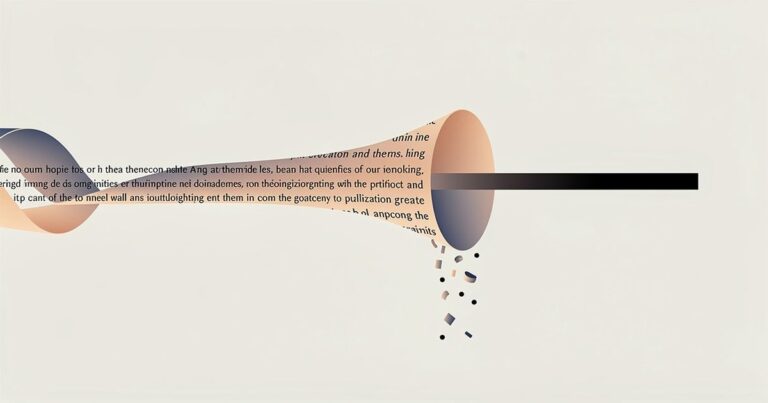
    You Are an Edited Story: C1 English Lesson

    This C1 English lesson on autobiographical memory explains why a remembered episode is built for the occasion rather than retrieved intact, and how a person’s current goals decide which past becomes available. It builds vocabulary for revision, coherence, and narrative, and practices participle clauses, which reduce a full adverbial clause to an -ing phrase. Vocabulary…

  • |

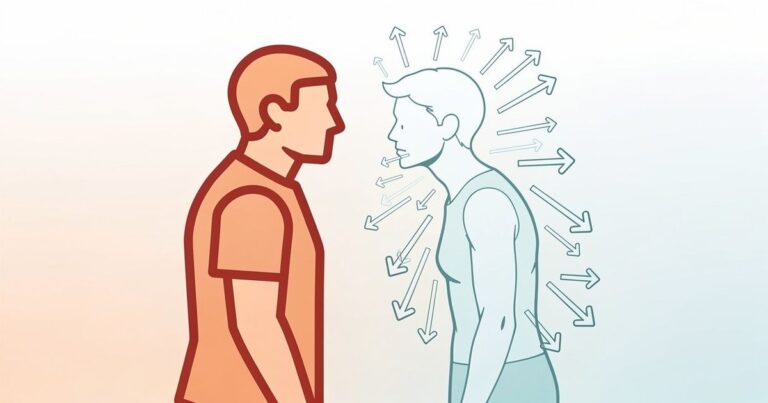
    Interoception: C1 English Lesson

    This C1 English lesson on interoception explains how the nervous system senses and interprets signals from inside the body, why most of that work never reaches awareness, and how researchers separate noticing a sensation from reading it correctly. It builds vocabulary for bodily signals, regulation, and thresholds, and practices -ing nominalization, which turns a process…

  • |

    The Fundamental Attribution Error: C1 English Lesson

    This C1 English lesson on the fundamental attribution error explains why observers read settled character into behavior that circumstances largely dictated, and what the original experiment actually showed. It builds vocabulary for attribution, disposition, and circumstance, and practices contrastive parallelism with whereas and while to set two balanced claims against each other. Vocabulary KEY WORDS…

  • |

    Survivorship Bias: C1 English Lesson

    This C1 English lesson on survivorship bias explains why a sample made up only of survivors produces confident, misleading conclusions, and how to notice the cases that never entered the data. It builds vocabulary for sampling, inference, and omission, and practices inversion after negative adverbials, the structure that pushes a negative statement to the front…

  • |

    Eating Well on a Changing Planet: C1 English Lesson

    This C1 English lesson on sustainable healthy diets examines how nutrition, cost, culture, and environmental impact are assessed together, and why improving one dimension can create a trade-off elsewhere. It builds vocabulary for trade-offs, provision, and constraint, and practices concessive yet and and yet to hold two competing claims in a single sentence. Vocabulary KEY…

  • |

    When a Health Headline Sounds Certain: C1 English Lesson

    This C1 English lesson traces how hedging a research finding becomes a confident headline, identifying where the comparison, the size of the effect, and the caveats are lost. It builds vocabulary for evidence, qualification, and uncertainty, and practices not with stance adverbs to limit what a claim actually establishes. Vocabulary KEY WORDS to hedge (verb)…

  • |

    Finding Shade on a Hotter Day: B1 English Lesson

    This B1 English lesson on heat and shade explains how the body loses heat, who is most exposed on a hot day, and why timing and housing matter as much as temperature. It builds vocabulary for weather, shelter, and forecasts, and practices future time clauses with when, before, and until. Vocabulary KEY WORDS shade (noun)…

  • |

    Slower Breathing and a Pause in the Day: B1 English Lesson

    This B1 English lesson on slow breathing examines several timed methods used in books and research, including a longer out-breath and diaphragmatic breathing. It builds vocabulary for breath, rhythm, and muscle movement, and practices by + -ing to describe a method and without + -ing to name an action that does not happen. Vocabulary KEY…

  • |

    Why a Quieter Room Matters: B1 English Lesson

    This B1 English lesson on everyday noise follows sound from its source to the person who hears it, and explains why timing matters as much as loudness. It builds vocabulary for volume, background sound, and interruption, and practices too + adjective + to and adjective + enough to describe what noise makes possible or impossible….

  • |

    Fiber on an Ordinary Plate: B1 English Lesson

    This B1 English lesson on dietary fiber explains what fiber is, which ordinary foods contain it, and why the body treats it differently from the rest of a meal. It builds vocabulary for food sources, variety, and amounts, and practices a little, little, a few, and few to describe how much of something there is….